




When I was ten years old, my world shattered. My parents died suddenly in a car accident, leaving me standing in a sterile hospital hallway clutching a teddy bear while social workers spoke in hushed voices around me. At ten, I didn’t understand the permanence of death, not really.
I thought they would come back if I just waited long enough, if I prayed hard enough. But days passed, then weeks, and instead of my parents returning, I was told I would be going to live with new guardians. That’s how I ended up in the home of Richard and Helen Mason.
They weren’t strangers exactly; my parents had known them through church and some neighborhood gatherings. I remembered Helen’s booming laugh and Richard’s quiet, steady presence. They seemed kind enough at first.
When they sat me down and said, “We’ll take care of you, Audrey. You’re part of our family now,” I wanted so desperately to believe them. What no one told me, at least not in words I could understand, was that my parents had left behind money.
Not an endless fortune, but a sizable inheritance: insurance payouts, savings accounts, and investments meant for my future. Money that was supposed to provide for my education, my security, my life until I was old enough to stand on my own two feet. That money was placed under the care of my guardians, Richard and Helen Mason.
For a while, I didn’t notice anything wrong. At ten years old, what did I know about money? I was more concerned with fitting into my new school, learning to live without my parents, and navigating a household that didn’t feel like mine.
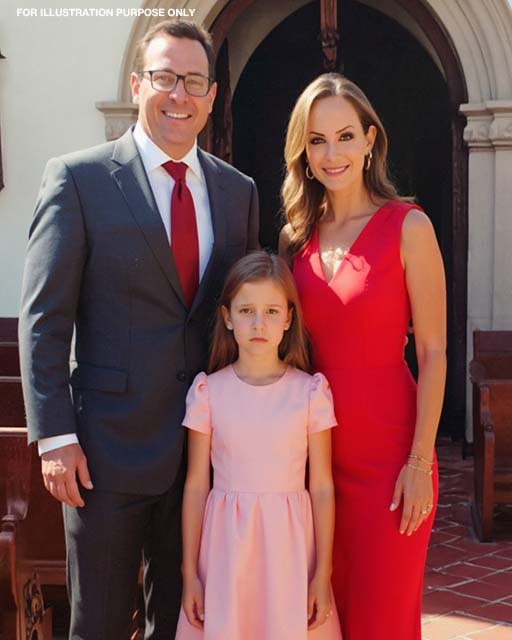
The Masons had a daughter of their own, Claire, who was a year older than me. She was lively, talkative, and at first, I thought we might become close. But Claire made it clear early on: I wasn’t her sister.
I was an intruder. “Why do you get to live here?” she sneered once when we were playing in the backyard. “You’re not really part of the family.
My parents just felt sorry for you.”
I swallowed the sting of her words and kept quiet. It became a pattern. Whenever I felt like speaking up—about unfair treatment, about being left out, about how Claire’s birthday parties were extravagant affairs while mine were “quiet dinners at home”—I held my tongue.
I told myself this was just how foster care worked, that I should be grateful to even have a roof over my head. But as I got older, I began to notice things. The way Helen suddenly had designer handbags that shimmered under the lights at church.
The way Richard bought himself a brand-new car just two years after my parents’ deaths, despite previously driving an old sedan. The way Claire’s room was filled with new clothes, gadgets, and, eventually, private dance lessons. When I timidly asked Helen once about whether any of that money left behind by my parents might be used for things I needed, she waved me off.
“Don’t be ungrateful, Audrey. God blessed us with the means to care for you. This house, your food, your school—all of it costs money.
You should count yourself lucky.”
I swallowed those words like poison and learned to stop asking. But I didn’t stop noticing. I noticed that when my hand-me-down clothes from Claire became the norm, while she got brand-new ones.
The story doesn’t end here — it continues on the next page.
Tap READ MORE to discover the rest 🔎👇