



When my grandmother passed away, our family fractured faster than I could have imagined. One moment, we were united in grief, sharing stories about her strength and kindness. Next, everyone was at each other’s throats over her will or, more accurately, the lack of it.
Grandma Margaret had always said she’d “taken care of things.” She was a meticulous woman, the type to label her spice jars and keep receipts from the 1980s neatly filed away. So when the lawyer said he couldn’t find an updated will, everyone was shocked. Within days, my aunts, uncles, and cousins descended on her old house like vultures circling prey.
It wasn’t even about greed, at least not entirely. Grandma’s home held decades of memories, antiques, jewelry, family photos, and keepsakes that everyone felt entitled to. I didn’t go there to claim anything.
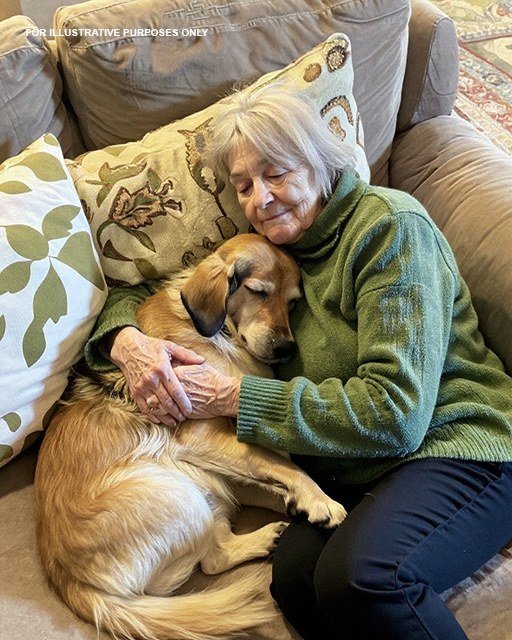
I went because of Daisy. She was Grandma’s twelve-year-old terrier mix, small, scruffy, and half-blind, with a gentle nature that made her impossible not to love. Daisy had been my grandmother’s shadow for years, following her from room to room and curling up at her feet each night.
When I arrived at the house that morning, Daisy was lying by Grandma’s favorite armchair, trembling and confused. My Aunt Lydia wrinkled her nose. “Someone needs to take that dog.
I can’t have hair all over my clothes.”
“I’ll take her,” I said immediately. “Are you sure?” my cousin Lucas asked, distracted as he sifted through a drawer of silverware. “She’s old.
Probably won’t live much longer.”
“I’m sure,” I said. No one else protested. They were too busy searching the house for a will that might tell them who got what.
I knelt beside Daisy, stroked her soft fur, and whispered, “Come on, girl. Let’s go home.”
As I carried her out, I heard the muffled sound of drawers slamming and voices arguing. Grandma hadn’t even been gone a week, and already her memory was being overshadowed by greed.
Back at my apartment, Daisy wandered around aimlessly, sniffing corners and whimpering now and then. I set up her bed near the window and filled a bowl with water. For the first few days, she barely ate.
I didn’t blame her. I wasn’t doing much better myself. I had been close to Grandma — closer than most of the family.
I used to visit her every Sunday for tea, listening to her talk about the “old days” and tell stories about my grandfather, who’d died before I was born. She always had that sparkle in her eye when she spoke, the kind that made you feel like the world had hidden layers of magic if only you paid attention. She’d once said to me, “The things that matter most, Lucy, aren’t always in plain sight.
You just have to know where to look.”
At the time, I thought she was being poetic. I didn’t realize it would become literal advice. About a week after the funeral, my family’s arguments intensified.
Aunt Lydia swore Grandma had promised her the house. Uncle Peter claimed Grandma said the jewelry collection was his. My mother, ever the peacemaker, tried to mediate, but it was hopeless.
The story doesn’t end here — it continues on the next page.
Tap READ MORE to discover the rest 🔎👇