


It was a chilly autumn morning when I found the baby. The fog hung low over the yard, softening the edges of the world, and I remember thinking it was far too early for anyone to be knocking on my door. But there it was, a faint cry, not a knock, piercing through the damp air.
At first, I thought it was an animal. I’d been living alone for almost two years at that point, in a quiet suburb outside Portland, and the only noises I usually heard were from stray cats or raccoons digging through the trash. But when I opened the door, my breath froze.
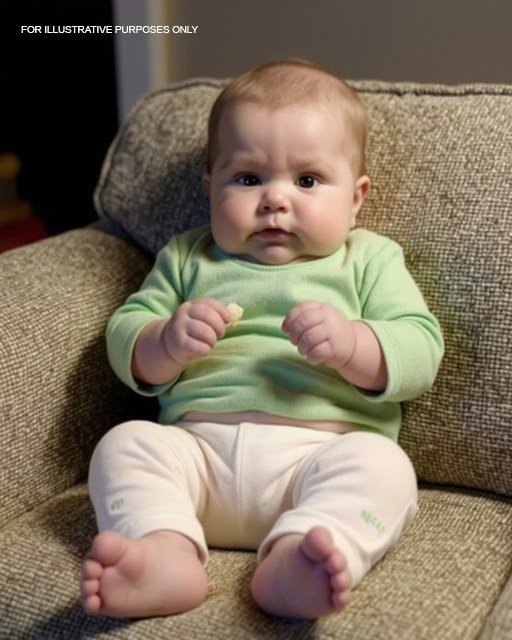
There, wrapped in a thin blue blanket, lay a newborn. His tiny fists waved weakly in the air, his face red and scrunched in distress. Tucked under his head was a folded note.
“Take care of him. His name is Oliver.”
No signature. No explanation.
But I didn’t need one. I knew the handwriting instantly. It belonged to my brother, Paul.
He and I had always been close, once inseparable, even. He was two years younger, reckless and bright, the kind of man who could make anyone laugh and make you believe in him even when you shouldn’t. But after our parents died in a car accident, he spiraled.
He left college, got into bad company, borrowed money he couldn’t pay back, and disappeared. I hadn’t seen him in three years before that morning. And now, there he was—gone again—but he’d left behind a life, a child, a responsibility I hadn’t asked for.
I called the police that day, thinking it was the logical thing to do. They told me they’d take the baby into custody until his father could be located. I almost agreed.
Almost. But when the officer reached out to take Oliver from my arms, I couldn’t let go. I don’t know why—maybe it was instinct, maybe guilt, maybe the silent promise written in that hurried note—but I said, “I’ll keep him.
I’ll take care of him.”
And I did. For twenty-seven years. Raising Oliver wasn’t easy.
I was twenty-nine, single, and working two jobs just to pay off the mortgage. Diapers were expensive, formula even more so, and I knew absolutely nothing about babies. The first few months were chaos—sleepless nights, endless crying, and a constant fear that I was doing everything wrong.
But then, slowly, things settled. He started smiling, then laughing, and somehow, my small, quiet house began to feel alive again. I used to sit in the living room at night, watching him sleep in the crib I’d bought secondhand, thinking about Paul.
I wondered where he was. If he was alive. If he’d ever come back for his son.
He never did. Years passed, and Oliver grew into the kind of boy teachers loved and neighbors admired. Curious, kind, with that same spark Paul used to have—only steadier, warmer.
I made sure he had what I didn’t: stability. When he was five, I told him the truth—that his father had to go away and couldn’t take care of him. When he was ten, I told him his father’s name.
By fifteen, he knew everything: how Paul had left him on my doorstep, how I’d made the choice to keep him. He didn’t hate his father. He didn’t even ask why.
The story doesn’t end here — it continues on the next page.
Tap READ MORE to discover the rest 🔎👇