


“Down-to-earth, smart, not too polished. You look like you don’t try too hard. That’s rare.”
It’s weirdly flattering.
The offer? I’d be given a small equity share, access to marketing materials, and a monthly stipend to “build community.” Basically post, speak at some soft launch events, and appear in some ad shoots. Reema says I could even help shape the direction if I’m interested.
I ask to see the product. She shows me a sleek white bottle labeled LIVRN. All caps.
Minimalist logo. Claims to support “cellular vitality” and “metabolic recalibration.” There’s turmeric, dandelion root, and some rare Himalayan berry I’ve never heard of. I’m skeptical.
I’ve never even taken a multivitamin consistently. She swears it’s safe, third-party tested, and all above board. Still, I do my homework.
I spend a few nights Googling the ingredients, checking FDA disclaimers, even posting anonymously in a supplement subreddit. Nothing raises huge red flags. Sketchy language, sure, but nothing outright dangerous.
I say yes. And for a while, it’s honestly kind of fun. They fly me out for a weekend shoot in Santa Fe—soft desert light, linen shirts, a rented motorcycle for props.
Reema’s team feeds me talking points. “Speak from the heart,” they say, but make sure I hit the phrases: “optimal rhythm,” “resilience through nature,” “your body knows.”
My first Instagram post gets 2,000 likes. I gain over 3,000 followers in a week.
Reema calls it “organic magic.”
But after a month, cracks start to show. I get a message from a nurse practitioner in Atlanta. She says one of her patients had liver inflammation and was taking LIVRN.
Says she’s filed a report. Wants to know if I’ve heard anything. I forward the message to Reema.
She replies casually: “One-off reaction. We’re monitoring closely. No need to worry.” Followed by a smiley face.
Another week goes by. Two more messages roll in—one from a mom whose teenage son took it and broke out in hives. Another from a guy who had to stop after three days of “violent nausea.”
I bring it up on a group Zoom with Reema’s team.
Everyone gets quiet. Reema smooths it over. “Every supplement has outliers,” she says.
“We’re not making medical claims. People need to read the label.”
I nod, but something feels slippery. I stop taking the pills myself.
Quietly. Still post once or twice more, but I’m pulling back. Then comes the twist I didn’t expect.
An old college buddy—Daren—reaches out. We haven’t spoken in years. Says he saw my video ad, and his sister’s friend had a terrible reaction.
Ended up hospitalized. He’s pissed. I tell him I’ll look into it.
He sends me her number. I call her. Her name’s Kala.
She’s 29, works two jobs, bought LIVRN because she saw a repost from my page. Took it daily for two weeks. Ended up with some kind of liver enzyme spike.
She got discharged after three days and a bunch of IVs. No long-term damage, but it scared the hell out of her. I don’t sleep that night either.
The next morning, I call Reema. Tell her I’m out. She’s calm, eerily so.
“I understand,” she says. “But you signed an NDA and a six-month media agreement. If you violate either, we have options.”
Her voice is sweet.
But there’s something razor-edged under it. I go quiet. She sighs like I’ve disappointed her.
“You were doing so well,” she says. “You could’ve built something.”
I hang up. The next two days, I scrub everything.
Delete my branded posts, change my bio, send a lawyer friend the contract. He says it’s shaky—intimidation tactics more than enforceable rules. But it’s enough to keep me quiet.
For a minute. But I can’t let it go. So I start digging again.
Deep. I find a forum thread from a biochemist who tested the supplement independently—claims it contains a compound not listed on the label. Some offshoot of an herbal stimulant that can mess with blood pressure.
The thread gets buried, downvoted into oblivion. I start screen-capping everything. Then I reach out to Kala again.
She agrees to go public—anonymously at first. I post her story, paired with my own experience. I’m careful, legal.
I say I personally no longer support the product. I urge others to research before taking anything. I don’t mention Reema by name.
But it catches fire anyway. Overnight, my DMs explode. Dozens of people share similar reactions.
A few influencers quietly admit they also dropped out but were scared to say anything. One sends me a leaked email from Reema’s team—basically telling them to “stay on message or face consequences.”
That’s when I know it’s real. Not just shady.
Dangerous. I compile everything. Pass it to a journalist friend I know through a local podcast.
She runs with it. Drops a bombshell exposé two weeks later. Turns out, LIVRN isn’t even registered properly.
Their third-party “lab testing” was run through a shell company owned by a cousin of the co-founder. Reema’s not even listed legally on the documents—her name’s scrubbed from everything. But the dots are easy enough to connect.
The story makes national headlines for 48 hours. Then, the lawsuits roll in. Reema disappears.
Website down. Social accounts gone. Investors bailing.
I think that’s the end of it—until I get a call from a woman named Araceli. Mid-40s, small business owner, strong Puerto Rican accent. She says she’s Kala’s aunt.
Wants to thank me. “Most people, they just stay quiet when money’s on the table,” she says. “But you stood up.
That matters.”
We talk for 20 minutes. She’s kind, wise. Reminds me of my late abuela.
Two months later, I get a letter in the mail. Handwritten. It’s from Kala.
She says she’s feeling better. Says she’s gone back to school, thinking about becoming a nutritionist now. Wants to help people the right way.
I read that line three times. It sticks with me more than anything else. You know, I started all this because I was lonely.
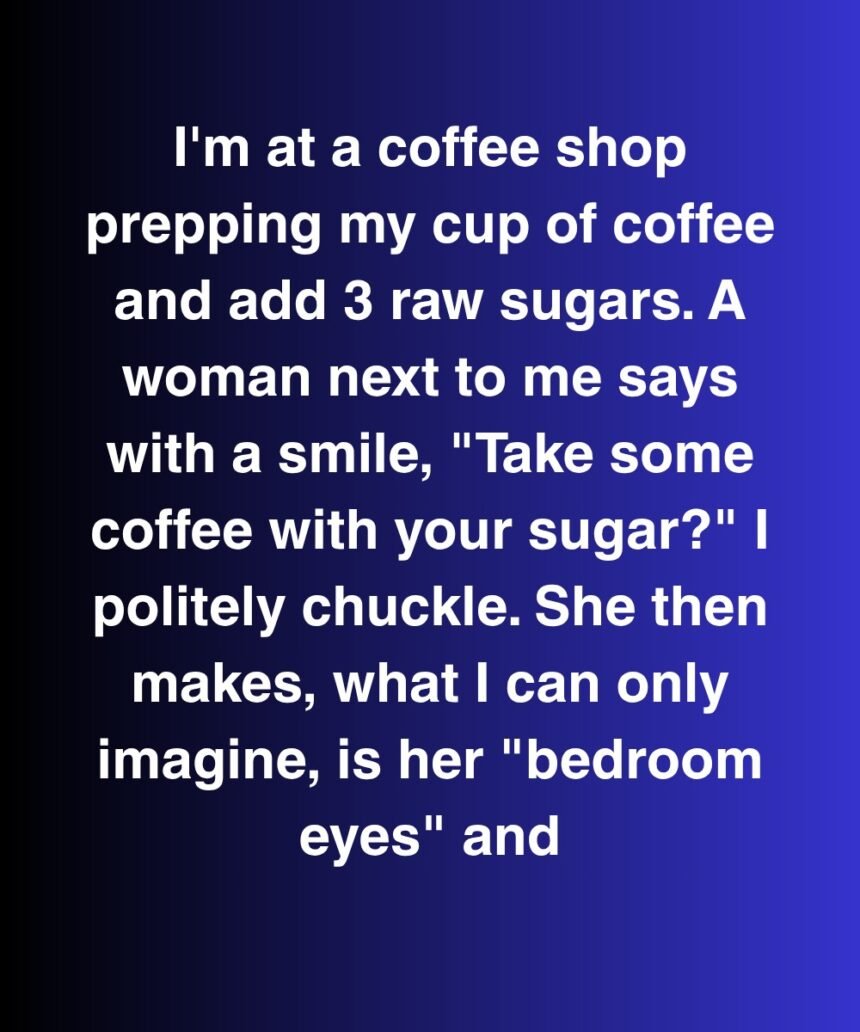
Vulnerable. Thought someone liked me at a coffee shop and got swept up into something shiny. But what looked like a flirtation turned into a wake-up call.
Reema thought I was a “face people trust.” That’s ironic, considering how many people were getting hurt. But maybe that instinct wasn’t all wrong. Maybe we do need more people who look out for others—even when it costs us.
I’m not famous. I didn’t make any money off the deal. But I got something better: peace.
A clean conscience. And the weirdest part? That moment of being seen—truly seen—came from the people I tried to protect, not the ones trying to use me.
If you’ve ever had a gut feeling something’s off, listen to it. Polite people can lie. Pretty people can deceive.
But your instincts? They’ll tap your shoulder when the smile doesn’t match the words. Don’t ignore them.