




Warm temperatures dilate blood vessels, making it easier for fluid to leak into surrounding tissues. Diet and Salt Intake
Eating foods high in sodium can cause the body to retain water, leading to noticeable swelling in the extremities. Processed foods, fast food, and salty snacks are common culprits.
Dehydration
Ironically, not drinking enough water can also cause fluid retention. When the body senses dehydration, it may hold onto fluids as a protective response. Prevention Strategies
Stay Active
Movement helps stimulate circulation and prevents fluids from pooling in the lower body.
Even light activities such as walking, stretching, or flexing the feet during a desk job can make a big difference. Elevation
Lifting the feet above heart level for short periods encourages fluid to flow back toward the torso, reducing swelling. Compression Wear
Compression socks or stockings gently squeeze the feet and legs, improving circulation and limiting swelling.
They are especially useful for frequent travelers or those who stand for long periods. Balanced Diet
Maintaining a diet that is rich in fruits, vegetables, whole grains, and lean proteins while limiting excess sodium helps the body maintain healthy fluid balance. Hydration
Drinking adequate amounts of water supports kidney function and reduces the likelihood of fluid retention.
When to Seek Medical Help
While occasional mild swelling is not usually a cause for concern, it is important to consult a healthcare provider if:
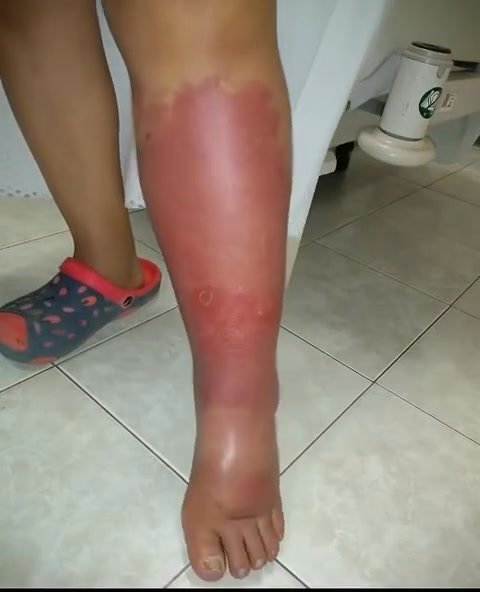
Swelling is sudden and severe. It occurs in only one foot and is accompanied by pain or redness. There are additional symptoms such as shortness of breath, chest pain, or fever.
Swelling does not improve with rest and lifestyle changes. These signs may point to conditions that require medical evaluation, such as blood clots, infections, or organ-related issues. Emotional and Quality-of-Life Impacts
Swollen feet may seem like a purely physical concern, but they can affect emotional well-being as well.
Chronic swelling can make walking uncomfortable, limit footwear choices, and reduce mobility. Over time, this may contribute to frustration, reduced self-confidence, or social withdrawal. Taking steps to manage swelling not only improves physical health but also helps individuals feel more in control of their daily lives.
Broader Health Awareness
Foot swelling can serve as a useful reminder to pay attention to overall wellness. Since the feet are at the farthest point from the heart, they often reveal early signs of circulatory or systemic problems. Staying alert to changes in the feet can encourage timely medical checkups and preventive care.
Conclusion
Swollen feet are a common condition with a wide variety of causes, ranging from harmless lifestyle factors to serious medical concerns. By understanding potential triggers, practicing preventive strategies, and knowing when to seek medical help, individuals can protect their health and maintain a better quality of life. Ultimately, while swelling may sometimes be dismissed as a minor nuisance, it can provide valuable insight into the body’s overall condition.
Listening to those signals and responding appropriately is an important part of staying healthy.