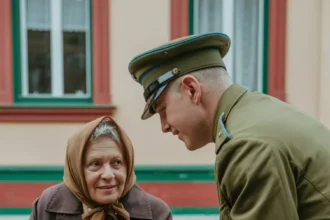




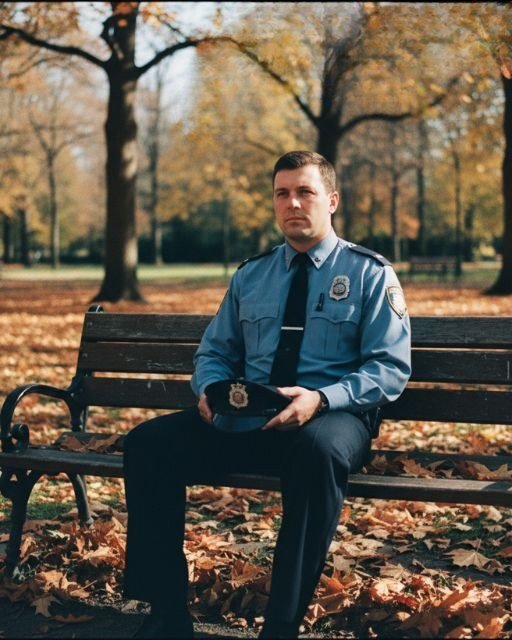
“They need you.”
“I can’t stop running when duty calls,” he said, eyes tired. One quiet evening, duty didn’t call. He came over with a six-pack.
We sat on the porch in silence until he finally asked, “Do you think I messed it all up?”
“Yes,” I said. “But it doesn’t have to stay that way.”
“She won’t forgive me.”
“Not if you wait. You have to show her.
Run toward them, not away.”
He didn’t reply, but I could see it sinking in. The next week, he started small. Turning down shifts.
Showing up at his daughter’s school. Helping his wife’s sister move furniture. Awkward, out of place, but present.
His daughter’s drawings slowly changed—he moved closer to the center, holding her hand. Months later, his wife agreed to dinner, neutral ground. She said something that stuck: “You can’t just run when everyone else calls and stand still when it’s us.
If you want us back, you have to run toward us too.”
The twist he never saw coming: the thing he thought made him a hero—the running—was the same thing tearing his family apart. Bravery wasn’t just rushing toward danger; sometimes it meant staying put, facing what you’d left behind. They worked things out—not perfectly, not a fairytale—but he learned to say no, to leave the uniform hanging sometimes, to show up for those waiting at home.
His wife’s real smile returned. His daughter’s drawings put him front and center, the whole family holding hands. I realized being brave isn’t only about saving strangers.
Sometimes, it’s about facing the people you’ve let down and doing the hard work to bring them back. Duty calls in a hundred voices—but the ones who love you deserve the loudest answer. Sometimes the bravest act is simple: put away the uniform, sit at the table, and say, “I’m here.”